

Myth or Fact? Microneedling Edition
There are a lot of myths to cover for this one...


Did you know: Microneedling is one of the most misunderstood skincare treatments, and also one of the most universally helpful?
Today I’m clearing up all the myths, rumors, and misconceptions about this particular procedure and giving you only the facts on what microneedling really does, who it’s for, and what you can realistically expect from your results!
Before we get to that, though:
What exactly is Microneedling?
Using a handheld device, fine needles create multiple tiny injuries to the skin at once. (It sounds more painful than it is! )
This triggers a wound healing response from the body, amping up your collagen and elastin production.
Some things to keep in mind about microneedling:
It doesn’t involve heat, making it an appropriate treatment for just about every skin type and tone.
Numbing agent can absolutely be used!
Downtime is minimal, usually lasting only a few days.
It can be combined with radiofrequency or serums to enhance results.
MYTH: “DIY Microneedling will give you the same results as a professional!”
FACT:
There are critical techniques and sanitation practices that are followed to specifically prevent scarring and infection. Most dissatisfaction with microneedling isn’t from the treatment itself, but from improper execution, poor depth control, or inadequate aftercare.
Unless you’re ordering something from overseas with minimal oversight, you likely won’t be able to purchase a reputable device that is able to go beyond a certain depth.
This is due to the fact that any depth beyond .5mm is not safe for home use, or use by an unlicensed person who has not undergone extensive training. (No, a YouTube video does not count!)
MYTH: “The deeper you can go, the better your results will be.”
FACT:
This is probably where people most commonly go wrong — assuming that if they go deeper, the results will be transformative.
While I am amongst those who say “beauty is pain,” the fact is, the pain from the wrong depth applied to the wrong area will result in more redness, prolonged healing, and potential scarring.
I’ve seen comments stating there’s no point in seeing a solo esthetician for this service, because individual state laws determine our scope of practice and can restrict the depth we can achieve.
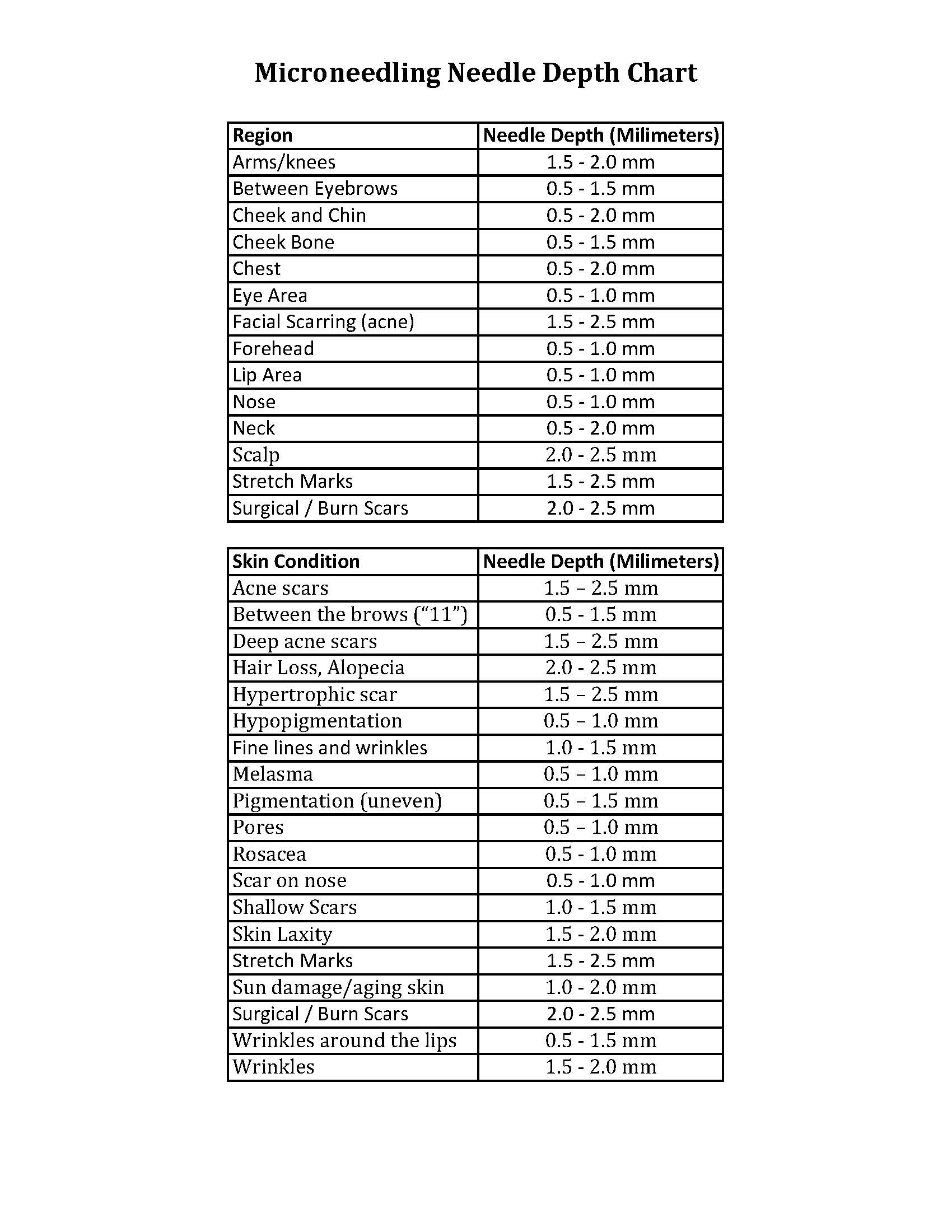
While that second part is true, where I’m licensed (Nevada, USA) restricts me to 1.5mm while working solo and not under the supervision of a physician.
As you can see in the chart above, that still allows me to treat most areas of the face and body.
Pro tip: I also would not advise going from 0 to 2/2.5mm if you have not previously treated that specific region or skin concern!
MYTH: “Brand matters big time! AND it determines if you’re receiving a legit treatment.”
FACT:
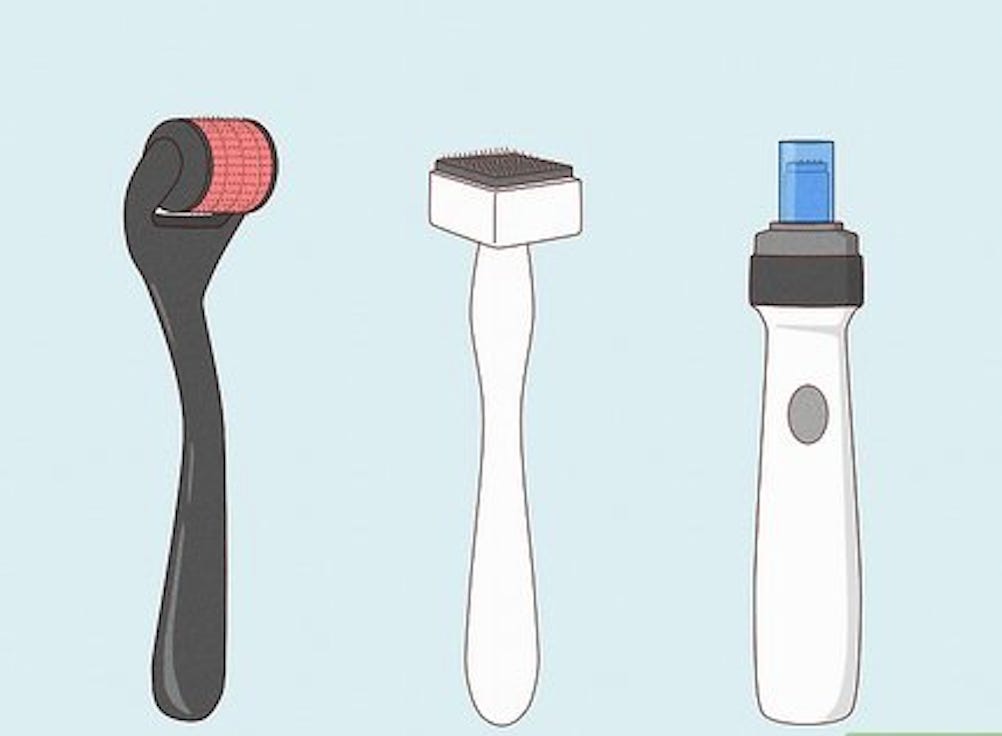
A common misconception I see. The fact is, some brands offer both at-home models and higher-end professional devices. The primary differences come down to depth capability and features.
For example, two of the more widely recognized brands both accommodate depths up to 2.5mm. Still, I’ve come across those misinformed comments saying things like, “If I don’t see SkinPen on the table, I leave the appointment.”
That’s certainly a personal preference, but there just isn’t a clinically significant difference that supports that level of concern.
It’s also important to note that FDA clearance is not a blanket approval for an entire brand. SkinPen received FDA clearance specifically for treating acne scars and neck wrinkles. Dr. Pen has a professional line, and its most recent release obtained FDA clearance for treating facial scars and improving skin texture. Clearance applies to specific indications, not to the brand name as a whole.
I completely understand expecting transparency. If a service is advertised as one thing and you receive something else, that’s a legitimate concern. But when the deciding factor is simply the brand name displayed on the device, it typically reflects marketing influence more than clinical superiority, or a difference in outcomes.
Bottomline: You’re paying a premium for name recognition.
Ultimately, results come down to appropriate depth, proper technique, and the provider’s skill… not the logo!
MYTH: “Microneedling is only for acne scars.”
FACT:
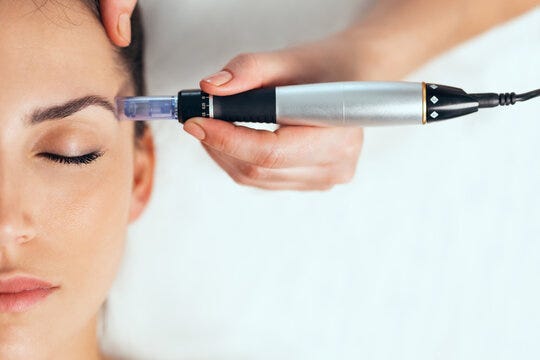
While Microneedling is a great option for acne scars, it can treat so much more…
Hyperpigmentation, including melasma
Soften wrinkles and fine lines
Rough or uneven skin texture
Minimize the appearance of enlarged pores
Improve or fade stretch marks and surgical scars
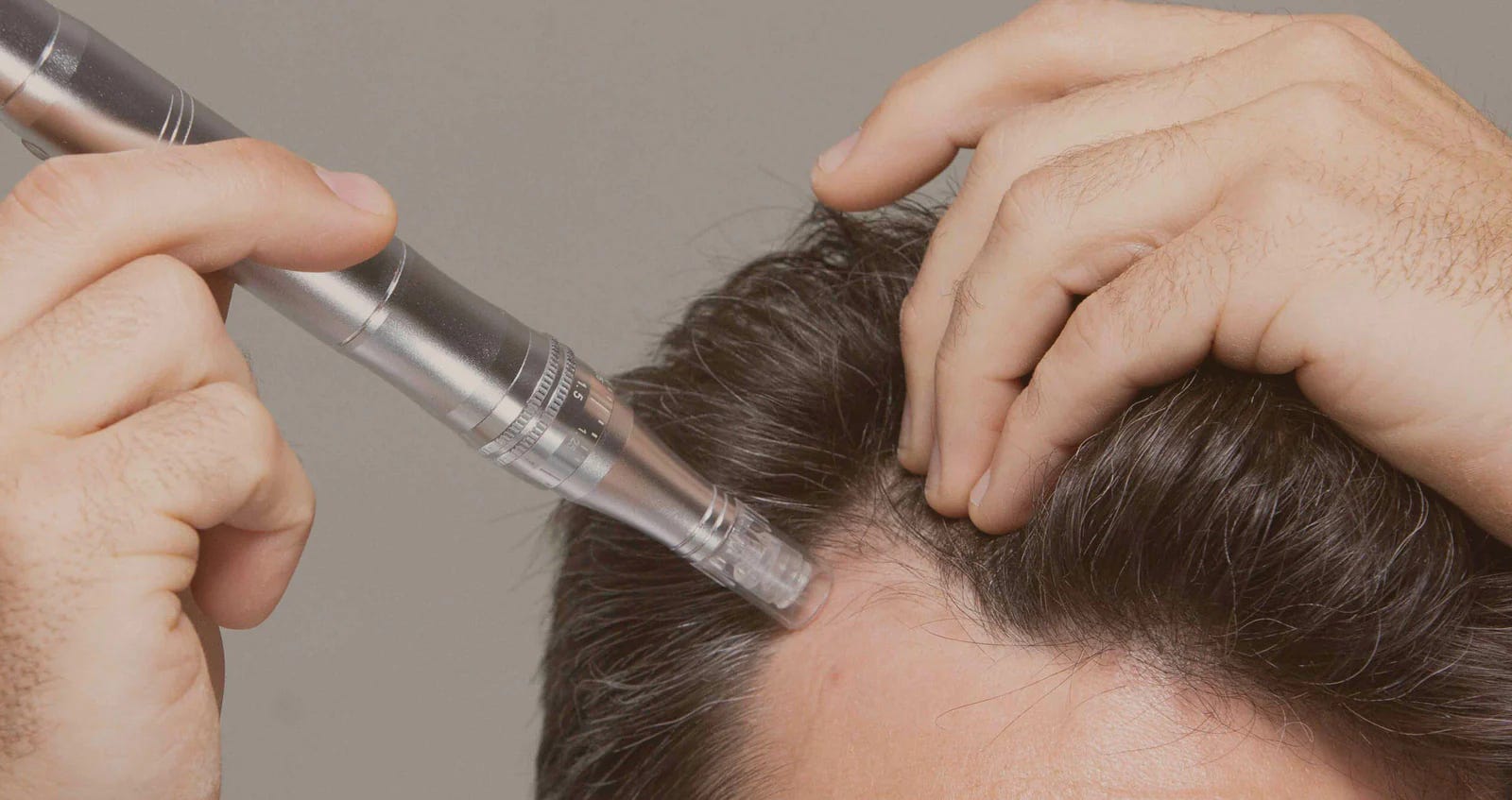
Did you know: You can also treat hair loss?!
Microneedling the scalp stimulates dormant follicles, releases growth factors, and can turn those struggling little hairs into thick, terminal hairs. This has become an effective treatment for those with alopecia.
Combine with serums, platelet-rich plasma (derived from your own blood!), or topical Minoxidil for the best results.
MYTH: “Microneedling is a one-and-done treatment.”
FACT:
While you may notice improvement after a single treatment, most skin concerns require a series of 3 to 6 sessions spaced about 4 weeks apart for optimal results.
The good news? Results can last several months, with maintenance treatments recommended twice yearly to preserve collagen stimulation and overall skin health.
Microneedling is far from a passing trend. It’s a results-driven treatment performed with precision and protocol in mind. Leave it to the professionals!
Don’t rush a true skin transformation. Patience paired with consistency will always reward you in the end.
If you have any questions about this treatment or aftercare, feel free to share them.